
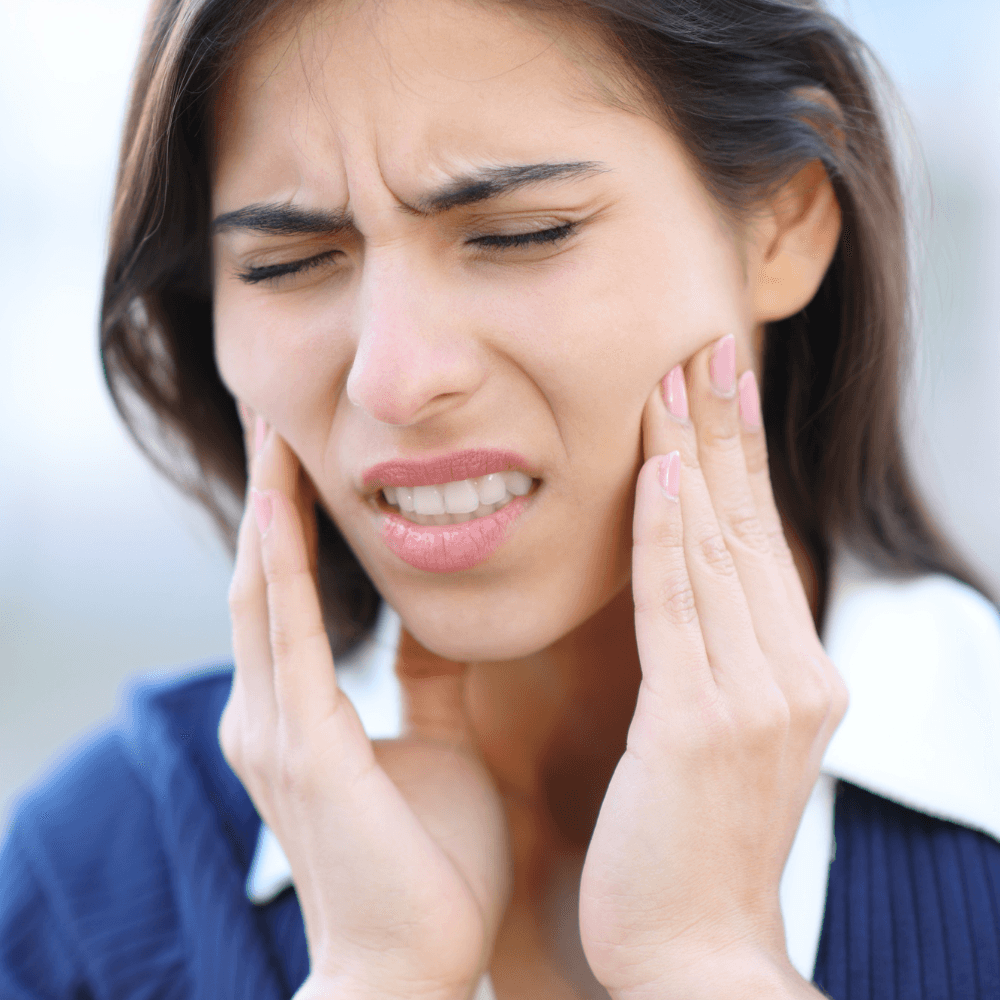

TMJ Rehabilitation
Our specialized TMJ rehabilitation program helps individuals experiencing temporomandibular joint disorder find lasting relief from jaw pain, headaches, and limited mobility. Through evidence-based physical therapy and personalized treatment plans, we address the root causes of TMJ dysfunction to restore comfort and function.
From your first assessment to full recovery, our experienced therapists use proven manual techniques, therapeutic exercises, and postural retraining to reduce pain, improve jaw mobility, and help you return to eating, speaking, and living without discomfort.
What We Do
- Reduce Jaw Pain And Headaches
- Restore Normal Jaw Function And Mobility
- Address Chronic TMJ Symptoms Without Surgery
- Improve Bite Alignment And Reduce Clicking
Our TMJ Rehabilitation Program
Comprehensive Assessment And Personalized Treatment
Our Approach To TMJ Care
TMJ disorders affect everyone differently, and your jaw directly impacts your ability to eat, speak, and function comfortably. Our approach starts with a comprehensive evaluation to identify the underlying causes of your temporomandibular joint dysfunction, whether it's muscle tension, joint inflammation, postural imbalances, or bite alignment issues.
From there, we build a personalized treatment plan that not only relieves your jaw pain and headaches but also addresses the root cause for long-term relief. Whether you're dealing with chronic clicking, limited jaw opening, tension headaches, or pain from grinding and clenching, our care is designed to help you restore full function, safely and effectively.
- Comprehensive TMJ Assessment To Identify Pain Sources And Movement Dysfunction
- Personalized Treatment Plan Tailored To Your Symptoms And Goals
- Focus On Preventing Chronic Pain And Reducing Future Flare-Ups
- Long-Term Strategies To Maintain Jaw Health And Function
Built on Proven Techniques
Our TMJ Rehabilitation program is grounded in evidence-based manual therapy and neuromuscular re-education techniques proven to restore jaw function and reduce pain.
By combining hands-on treatment with targeted exercises and postural corrections, we address the specific muscle imbalances, joint restrictions, and movement patterns contributing to your TMJ disorder.
This approach reduces pain, restores normal jaw movement, and helps you maintain long-term relief so you can eat, speak, and function without discomfort.
- Evidence-Based Manual Therapy And Myofascial Release Techniques
- Therapeutic Exercises To Restore Jaw Mobility, Strength, And Coordination
- Proven Strategies To Reduce Pain, Inflammation, And Prevent Recurrence
Latest Blogs
Read the latest articles on physical therapy, pelvic health, lymphedema care, and wellness tips.

Postpartum Pelvic Floor Recovery: Reclaiming Comfort, Strength & Confidence
Having a baby changes your body in many ways. Some changes are easy to see. Others are hidden. Many new moms deal with leaking pee,
Safe Eating Again: How Swallowing Therapy Restores Your Ability to Eat
Summary Difficulty swallowing affects millions of Americans, yet most people don’t know that effective treatment exists. This guide explains how swallowing therapy helps patients return
Building Confidence in Conversation: Overcoming Communication Challenges
Summary Communication is one of the most fundamental ways we connect with the world around us. When speaking feels difficult or anxiety takes over during
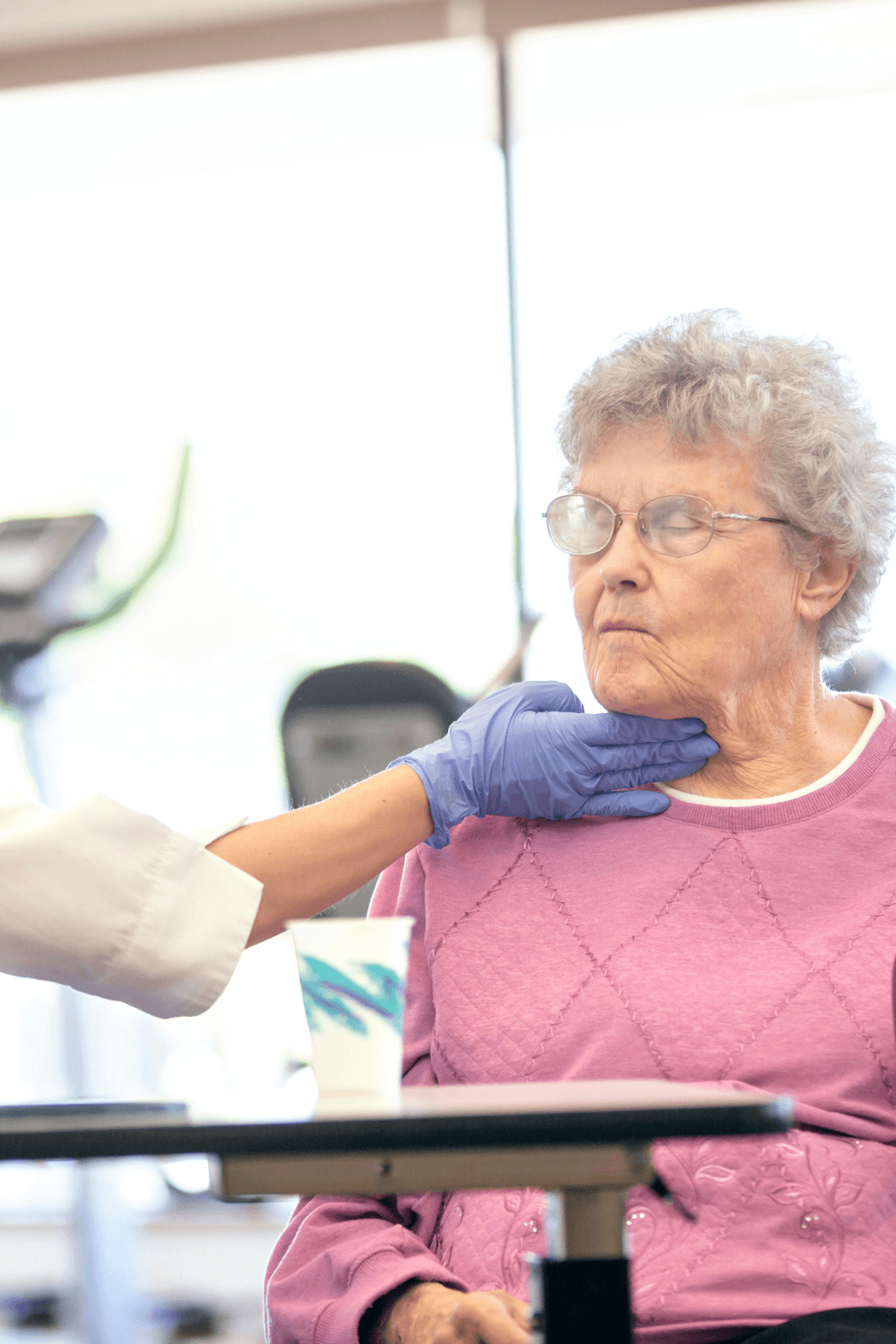
How to Recognize and Address Mild Speech Changes in Adults
Summary Subtle shifts in how you speak or pronounce words can be easy to dismiss, but they often signal something worth paying attention to. Whether

Preventing Swallowing Problems During Cancer Treatment: Safe Eating Tips and Early Therapy
Summary Swallowing difficulties are one of the most common yet underaddressed side effects of cancer treatment, particularly for patients undergoing radiation or chemotherapy affecting the

Speech and Swallowing After Head and Neck Cancer: Restoring Your Voice and Confidence
Summary Head and neck cancer treatment can significantly impact your ability to speak, swallow, and communicate with the people you love. These changes often feel